
Execution Over Vision: What Drives Business Strategy in Newport?
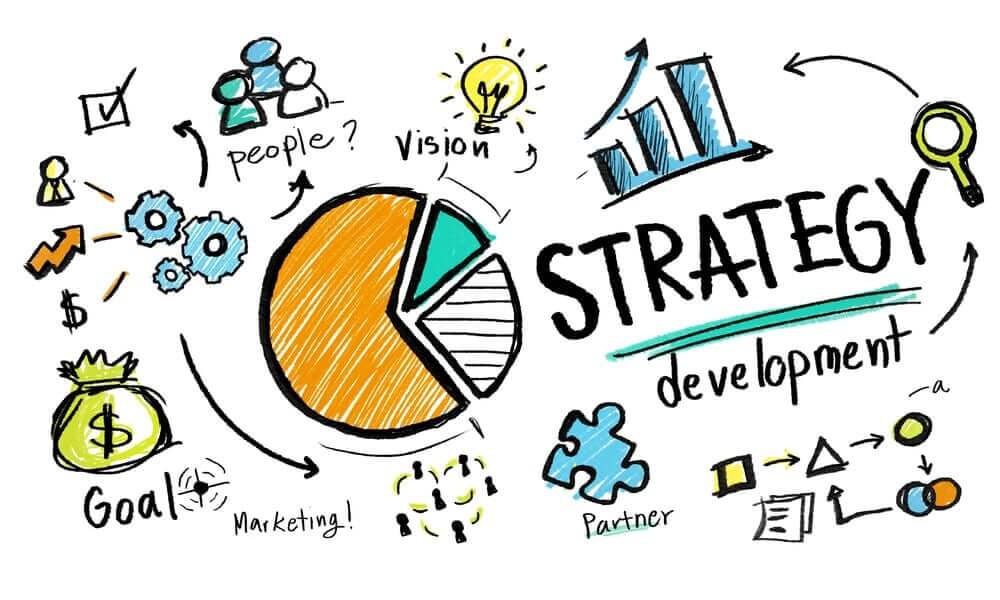
In Newport’s competitive business environment, leadership teams usually spend months developing a compelling vision. They may make a polished presentation. Sadly, nothing might change after six months. The vision was right, but it was not properly executed.
Every business needs a clear sense of direction. But execution is the differentiator between organizations that succeed and those that simply plan to.
The Vision Trap
Vision gets celebrated because it’s inspiring, communicable, and easy to evaluate in a boardroom setting. A compelling vision statement generates energy, alignment conversations, and the satisfying feeling of strategic progress without requiring the organization to do anything difficult yet. But execution is messy, demanding, and full of friction. It requires accountability, follow-through, difficult conversations, and the willingness to address problems.
Vision vs. Execution: A Direct Comparison
| Primary energy investment | Strategy development and communication | Implementation and follow-through |
| Decision-making speed | Slow. Consensus and alignment-driven | Fast. Action and accountability-driven |
| Response to obstacles | Reframes the vision | Solves the problem and moves forward |
| Performance measurement | Qualitative and narrative | Quantitative and specific |
| Team accountability | Diffuse. Shared ownership | Clear. Individual ownership |
| Competitive advantage source | Idea differentiation | Operational excellence |
| Strategic plan completion rate | Low | Significantly higher |
| Organizational culture | Aspirational | Disciplined and results-oriented |
| Long-term performance | Variable | Consistently stronger |
Vision-focused organizations invest their best energy in the front end of the strategic process. Execution-focused organizations invest their best energy in the doing, the measuring, the adjusting.
Why Execution Is Much Harder Than Vision
It is important to understand why execution underperforms vision, even in organizations filled with talented, motivated people. This requires an honest look at the structural and psychological forces working against it.
- The clarity gap. Vision statements are designed to inspire, which means they are often written at a level of abstraction that makes them difficult to act on. “Becoming the most trusted partner in the Newport market” is a meaningful aspiration. But it doesn’t tell anyone what to do differently on Monday morning. Execution requires converting broad strategic intent into specific, time-bound actions with clear ownership.
- The accountability gap. Vision is collective. Everyone can own a vision statement equally, which means no single person is accountable for it in any meaningful way. Execution requires individual accountability, which means specific people are responsible for specific outcomes by specific dates. Building this accountability infrastructure requires difficult conversations, transparent performance tracking, and the willingness to address underperformance directly.
- The priority gap. Most organizations have more strategic initiatives than they have the capacity to execute well. Teams spread thin across too many simultaneous execution demands deliver mediocre results on all of them. Execution discipline requires the organizational courage to deprioritize good ideas in service of the great ones, and to protect the capacity needed to execute the most important initiatives with genuine quality.
- The measurement gap. Vision is hard to measure in the short term. Execution is measurable, which means it surfaces failure faster and more visibly than vision work does. Many organizations unconsciously avoid the discomfort of this visibility by staying longer in the planning phase than the execution phase requires.
The Bridge Between Vision and Execution
The goal is to build a reliable bridge between vision and execution. This systematic process translates strategic intent into operational reality.
| Strategic translation | Converts vision into specific actions | Break each strategic goal into 90-day deliverables |
| Clear ownership | Assigns individual accountability | Name one person responsible for each initiative |
| Resource alignment | Ensures capacity matches priority | Audit team bandwidth before committing to initiatives |
| Progress cadence | Creates regular accountability rhythm | Weekly execution reviews with clear status reporting |
| Obstacle identification | Surfaces problems before they compound | Build structured problem-reporting into team meetings |
| Performance measurement | Tracks execution quality in real time | Define specific metrics for each strategic initiative |
| Course correction protocols | Enables rapid adjustment | Establish clear decision rights for in-flight changes |

What Execution-Focused Organizations Do Differently
The organizations that consistently outperform their peers on execution treat execution as a core competency. They invest in it, measure it, and celebrate it with the same enthusiasm they bring to strategic thinking. They build accountability into the fabric of how they operate. They keep their strategic initiative list short enough to execute with genuine quality. Also, they create a cultural expectation that plans are followed through.
Execution as Competitive Advantage
Two businesses in Newport can start with identical visions for the same market opportunity. The one that executes more consistently, more quickly, and more effectively will win because its follow-through was. This is the truth about business strategy. Vision opens the door. Execution walks through it.
Conclusion
Newport’s most successful businesses got there by doing more with the ideas they had. They translate strategy into action, hold themselves accountable to results, and build the operational discipline to follow through.
Vision provides direction, inspiration, and the clarity of purpose that keeps organizations aligned through difficulty. But vision without execution is a destination without a vehicle. The businesses that understand will build systems, cultures, and accountability structures that close the gap between intent and outcome.


Leave a reply



-
How a Pail Filling Machine Improves Production Efficiency
Pails sit in an awkward middle ground in industrial packaging, too large ...