
Tree Pruning in Singapore to Improve Growth and Tree Appearance
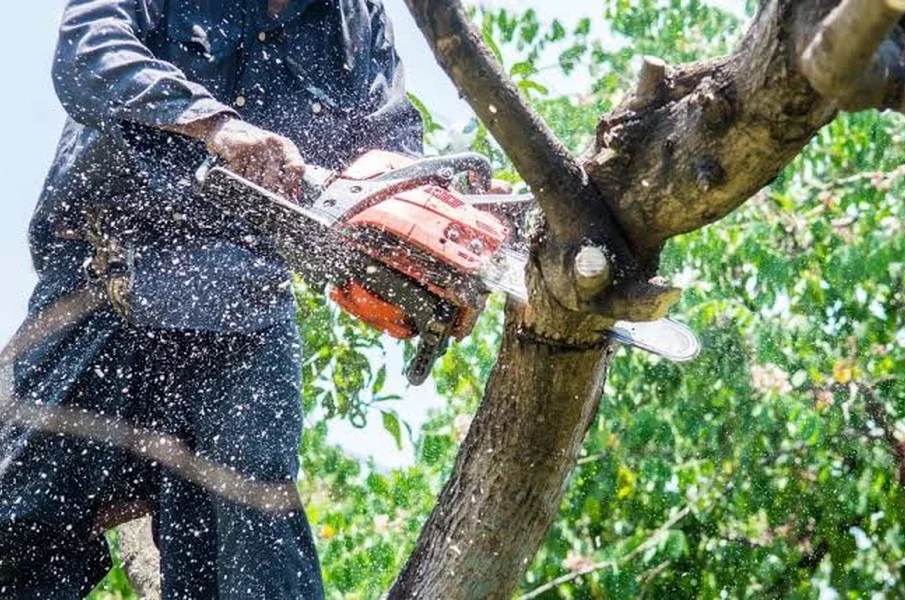
Tree pruning in Singapore is a year-round practice for good reason. Without the natural growth pause that cooler climates experience through winter, Singapore’s trees grow continuously, and the gap between pruning visits shows in the canopy within weeks during the wet season. For homeowners and property managers who want trees that look well-maintained and grow in a healthy direction, consistent pruning is the most direct investment available.
The Connection Between Pruning and Growth Quality
An unpruned tree in a Singapore garden develops differently from a well-managed one. Left alone, it grows in the direction of most available light, which often means asymmetrically – one side heavy, the other thin. It develops crossing branches that rub each other, creating wounds that admit fungal infection. It allows dead wood to accumulate, which can fall without warning and which provides a habitat for wood-boring insects that damage living tissue.
Purposeful tree pruning redirects this energy. Removing branches that are pulling the canopy off-balance shifts growth to better-positioned wood. Removing crossing and rubbing branches eliminates the wounds they create. Removing dead wood reduces the risk of falling debris and removes the decay pathway that dead tissue creates into living wood.
The result, over successive pruning cycles, is a tree that grows with better structure, healthier tissue, and a more attractive form than one that has never been managed.
Appearance as a Function of Structure
A well-pruned tree looks better because it is structurally better. The relationship between the two is direct. A tree with an unbalanced canopy carries visual weight on one side that is immediately obvious to any observer. A tree with the right proportion between canopy and trunk, with branches distributed evenly and the natural form of the species expressed rather than distorted by uncorrected growth, has an aesthetic quality that untrimmed trees lack.
Crown lifting, removing lower branches to reveal the trunk and raise the canopy – opens up views through the garden and allows more light to reach the ground beneath. Crown thinning creates a more transparent canopy that filters light attractively rather than creating a solid shadow.
These are not purely cosmetic interventions. Crown lifting improves air circulation at ground level and makes the space beneath the tree more usable. Crown thinning reduces wind resistance and the storm damage risk that comes with a dense canopy.
Professional Standards in Singapore Tree Care
Singapore’s approach to trees, both public and private, is shaped by the National Parks Board’s frameworks for tree management. NParks maintains a register of heritage trees and sets standards for the care of significant specimens on private land. Homeowners planning pruning work on large or established trees can refer to NParks guidelines on tree management and permits for current permit requirements before engaging a contractor.
The arboricultural standards used by professional tree care operators in Singapore align with international best practice on pruning cuts, timing, and post-pruning tree care. As Minister for National Development Desmond Lee has observed about Singapore’s urban greenery, “Trees are long-term investments in the quality of our living environment – they deserve professional management.” That management begins with knowledgeable pruning.
Working With an Arborist
The difference between a qualified arborist and a general garden worker with a chainsaw is real and consequential. An arborist understands tree biology – how trees compartmentalise wounds, how different species respond to pruning, what cut placement produces the best wound closure. An untrained cutter who makes the wrong cut, in the wrong place, at the wrong time can set a tree back years or create long-term structural weakness that shows up in a storm failure a decade later.
When engaging a tree pruning service, ask about the arborist’s qualifications, their experience with the specific species on your property, and whether they carry insurance for tree work. A qualified operator will assess each tree individually, explain what they intend to do and why, and produce work that leaves the tree healthier rather than merely smaller.
Tree pruning in Singapore done by qualified professionals at appropriate intervals produces trees that improve with age. The same trees managed by unqualified operators, or left unmanaged entirely, develop problems that eventually demand the expensive corrective work that good early pruning would have prevented.
For homeowners who take their outdoor spaces seriously, a professional tree maintenance relationship is the most practical way to ensure the trees on their property grow well, look well, and remain safe for the long term.



Leave a reply



-
Heading on Holiday? Keeping an Eye on Your Business From Afar
For a lot of small business owners, taking a proper holiday feels ...